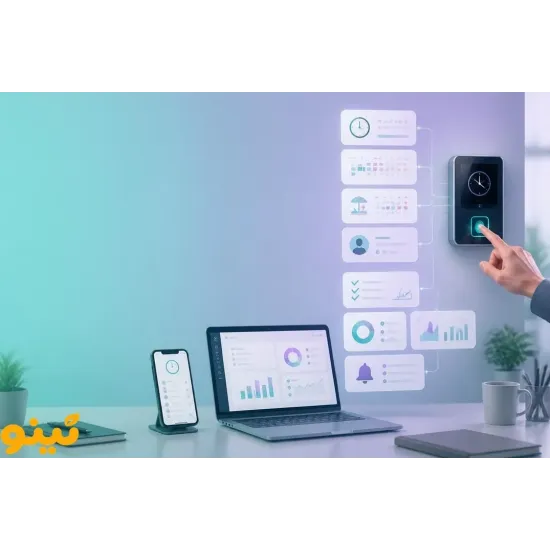
Can Device-Free Attendance Be Faked? How to Prevent Attendance Fraud
Yes, device-free employee attendance tracking can be manipulated, but that does not mean every software-based system is insecure. Employees may share account credentials, submit a false GPS location, or misuse a QR code to record attendance without being physically present. However, combining identity verification, location controls, time restrictions, and audit logs can reduce these risks. When choosing employee attendance software, businesses should evaluate its security controls rather than focusing only on whether it requires a physical time clock.
Common Ways to Manipulate Device-Free Attendance
Software-based attendance systems often use mobile apps, web browsers, GPS, or QR codes. Each method can have weaknesses if it is not properly secured.
-
Account sharing: An employee gives their login details to a colleague who records attendance on their behalf.
-
GPS spoofing: A user may attempt to submit a false location through location-masking tools.
-
QR code misuse: A static QR code can be photographed and shared, potentially allowing remote check-ins.
-
Unauthorized devices: If a system relies only on usernames and passwords, it may not reliably verify who is actually recording attendance.
-
Record manipulation: Unauthorized changes to attendance times or approvals can undermine the accuracy of reports.
Comparing Attendance Methods and Their Risks
| Attendance method | Potential risk | Risk reduction measure |
|---|---|---|
| Username and password | Shared credentials | Additional identity verification |
| Mobile GPS | Location spoofing | Suspicious-location checks and supporting evidence |
| QR code attendance | Sharing a QR image | Dynamic codes with time and location restrictions |
| Card or PIN-based clock | Lending cards or sharing PINs | Individual identity verification |
| Fingerprint or facial recognition | Recognition errors or weak equipment | Reliable devices and security settings |
| Software and device combination | Data transfer or record changes | Audit logs and access controls |
How Can You Prevent QR Code Attendance Fraud?
QR code attendance tracking offers a convenient way to record employee check-ins. However, its security depends on how the system is implemented. If a company uses a permanent QR code displayed at its entrance, employees may be able to share its image with others.
To reduce this risk, consider systems that use dynamic or time-limited QR codes. The code should expire after a defined period, while attendance submissions should be linked to individual user accounts. Location restrictions and checks for unusual attendance patterns can provide additional safeguards.
A QR code alone does not prove the identity of the person scanning it. It should be combined with other verification measures when stronger identity assurance is required.
The Role of GPS and Identity Verification in Web-Based Attendance Software
Web-based attendance software can centralize employee timekeeping, but secure implementation requires multiple controls.
1. Geofencing: Organizations can define approved work locations and restrict or flag attendance submissions made outside those areas.
2. User authentication: Individual accounts, strong passwords, and multi-factor authentication, where available, make unauthorized account use more difficult.
3. Supporting evidence: Depending on company policy and software capabilities, a photo captured during check-in or another verification method may help managers review suspicious records.
4. Audit trails: Managers should be able to review when attendance was recorded, who changed a record, and why an adjustment was made. Role-based permissions and edit histories help prevent undocumented changes.
GPS, photos, and passwords are not guarantees of security on their own. Their value comes from using appropriate controls together.
Is a Physical Employee Time Clock More Secure Than Software?
Not necessarily. A physical employee time clock can limit attendance recording to a specific location. Devices using fingerprint or facial recognition can also strengthen individual identity verification. However, card-based and PIN-based devices may be vulnerable when employees share cards or access codes.
Software-based attendance can offer greater flexibility for remote employees, field teams, and multi-location organizations, provided that suitable security measures are in place.
The right choice depends on employee work arrangements, the organization's risk level, and the actual capabilities of the system. Some businesses may benefit from combining physical time clocks with attendance software.
What Should You Check Before Choosing an Employee Attendance System?
Before purchasing or subscribing to an attendance platform, ask:
-
Can the system define approved attendance locations?
-
Are QR codes static or time-limited?
-
Can it flag suspicious or duplicate attendance submissions?
-
Does it keep an audit history of attendance edits and approvals?
-
Can administrators and employees have different access permissions?
-
Is the software compatible with the company's existing time clocks?
-
Does the provider explain how employee information is stored and protected?
Explore Tino Attendance Management Software
If you are considering a software-based approach to employee timekeeping, explore Tino's attendance management solution. Before choosing a platform, review its available attendance methods, access controls, and suitability for your organization's security policies.
You can use Tino's free registration page to explore the platform. To learn about the available demo options, contact the provider through its attendance management page and confirm the current demonstration terms.
Conclusion
Device-free attendance tracking can be manipulated, but the level of risk depends on the recording method and the system's security controls. Account sharing, GPS spoofing, and QR code misuse are important risks to consider. Individual authentication, time-limited QR codes, geofencing, audit logs, and suspicious-record reviews can help reduce attendance fraud. Compare the actual security features of each employee attendance system with your organization's needs before making a decision.
FAQ
Can device-free attendance tracking be faked?
Yes. If a system does not properly verify identity, location, and attendance records, employees may be able to submit false attendance entries.
Is QR code attendance tracking secure?
A QR code alone does not verify a person's identity. Dynamic codes, time and location restrictions, and account-based verification can improve security.
Can GPS in attendance software be spoofed?
In some circumstances, users may submit false location data. Systems with additional security checks may identify suspicious locations, but GPS alone cannot guarantee physical presence.
Is a physical time clock more secure than attendance software?
Neither option is always more secure. Security depends on identity verification, device or software quality, access controls, and how attendance records are monitored.
How can businesses prevent employees from clocking in for colleagues?
Individual identity verification, location and time restrictions, supporting evidence, and reviews of suspicious attendance records can reduce the risk of buddy punching.